
When institutional investors bought into a $1.8 billion leveraged loan syndication for Millennium Laboratories in 2014, they had no idea what they were getting into. Unbeknownst to them, the California-based urine testing company had been under investigation by the Department of Justice for years — a fact the investors later alleged was known to the lead banker on the deal, JPMorgan Chase, but not disclosed to the loan’s participants.
A year and a half after the loan proceeds were disbursed, Millennium (which by then had changed its name to Millennium Health) settled with the DOJ for $256 million over a number of fraudulent practices, like unnecessarily testing Medicare patients for PCP, also called “angel dust,” and paying physicians to order those tests. Ten days later the company filed for bankruptcy. But by then, the proceeds of the loan had given its principals a $1.2 billion payday — and paid off an earlier JPMorgan-led term loan of $310 million as well.
Millennium’s investors soon found they had little recourse. In 2021, a lawsuit they had filed against JPMorgan and others involved in the deal was dismissed by a Manhattan federal judge who found that no matter what the banks knew about the DOJ investigation, they weren’t legally required to share the information with the investors.
That case, which is on appeal in the second circuit, is now being closely watched by participants in the leveraged loan market. Its outcome hinges on whether such loans — syndicated loans made to noninvestment grade borrowers — should really be considered securities. That designation would make banks liable for failing to disclose material risks and force numerous changes to how the market operates.
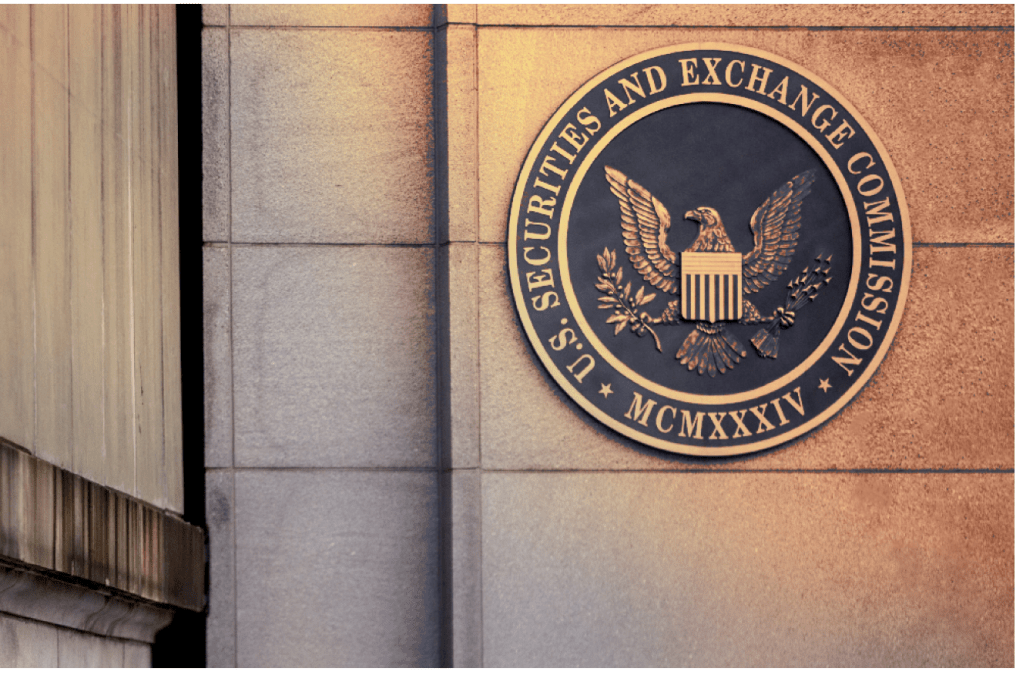
At the request of the appeals court, the Securities and Exchange Commission was expected to weigh in with an amicus brief. The request came as a shock to bankers, who scrambled to convince the SEC not to disturb this business, especially at a time when rising interest rates have already put the leveraged loan market under the most stress it has encountered in years.
And in a surprise move following intense lobbying by the banks – and perhaps more importantly, their regulators – the SEC declined to weigh in on the subject after asking for three extensions to file its brief.
However, in another case some 30 years ago the regulator did argue that leveraged loans were securities, and many academics agree. “Under the tests that the Supreme Court previously established, leveraged loans, practically speaking, are securities,” said Duke University School of Law professor Elisabeth de Fontenay.
You can read about the controversy and why the SEC punted here:
 Michelle Celarier